Communication and the testing of ideas are two of the strongest drivers of Artform’s approach to architectural model making.
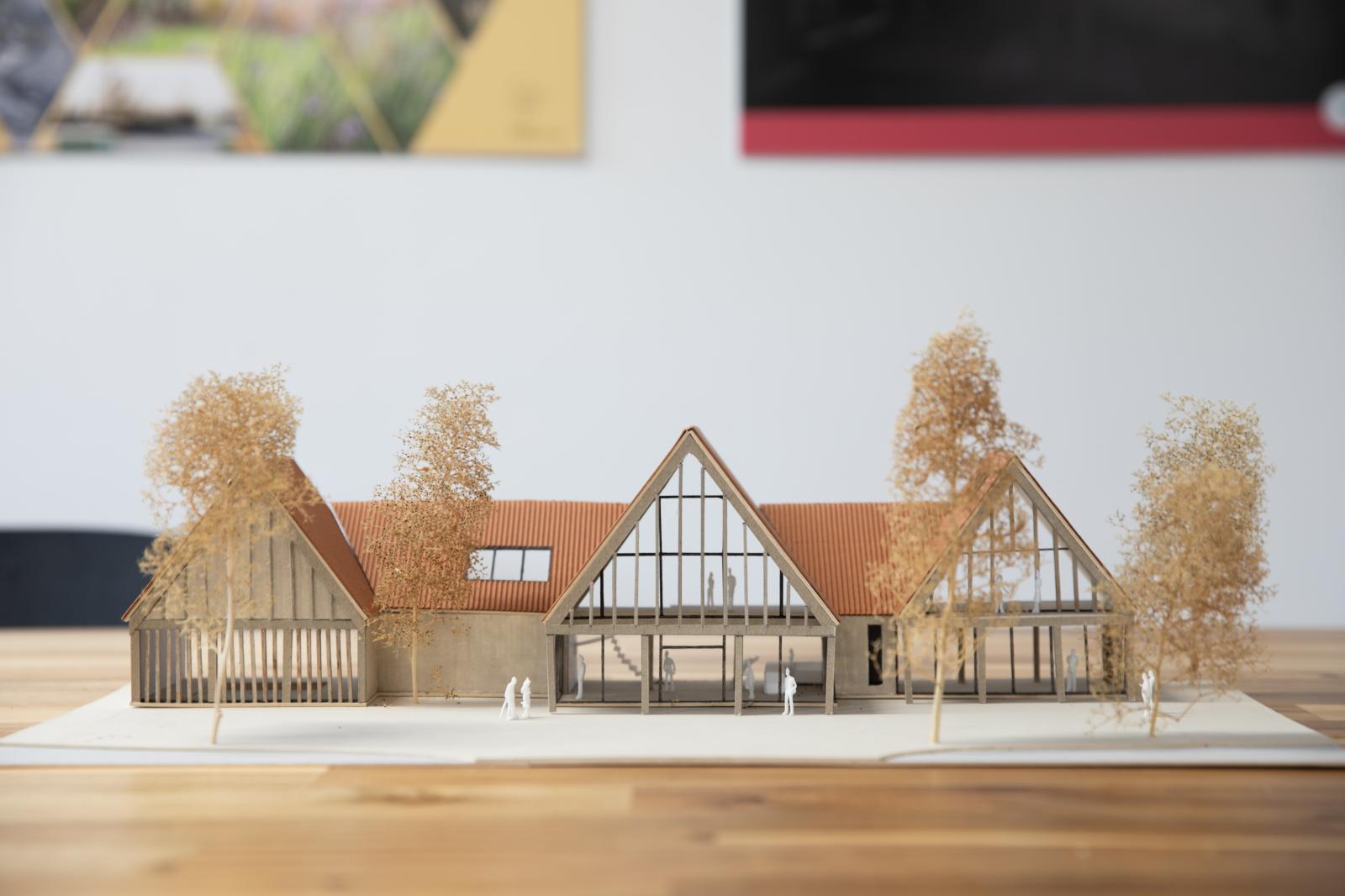
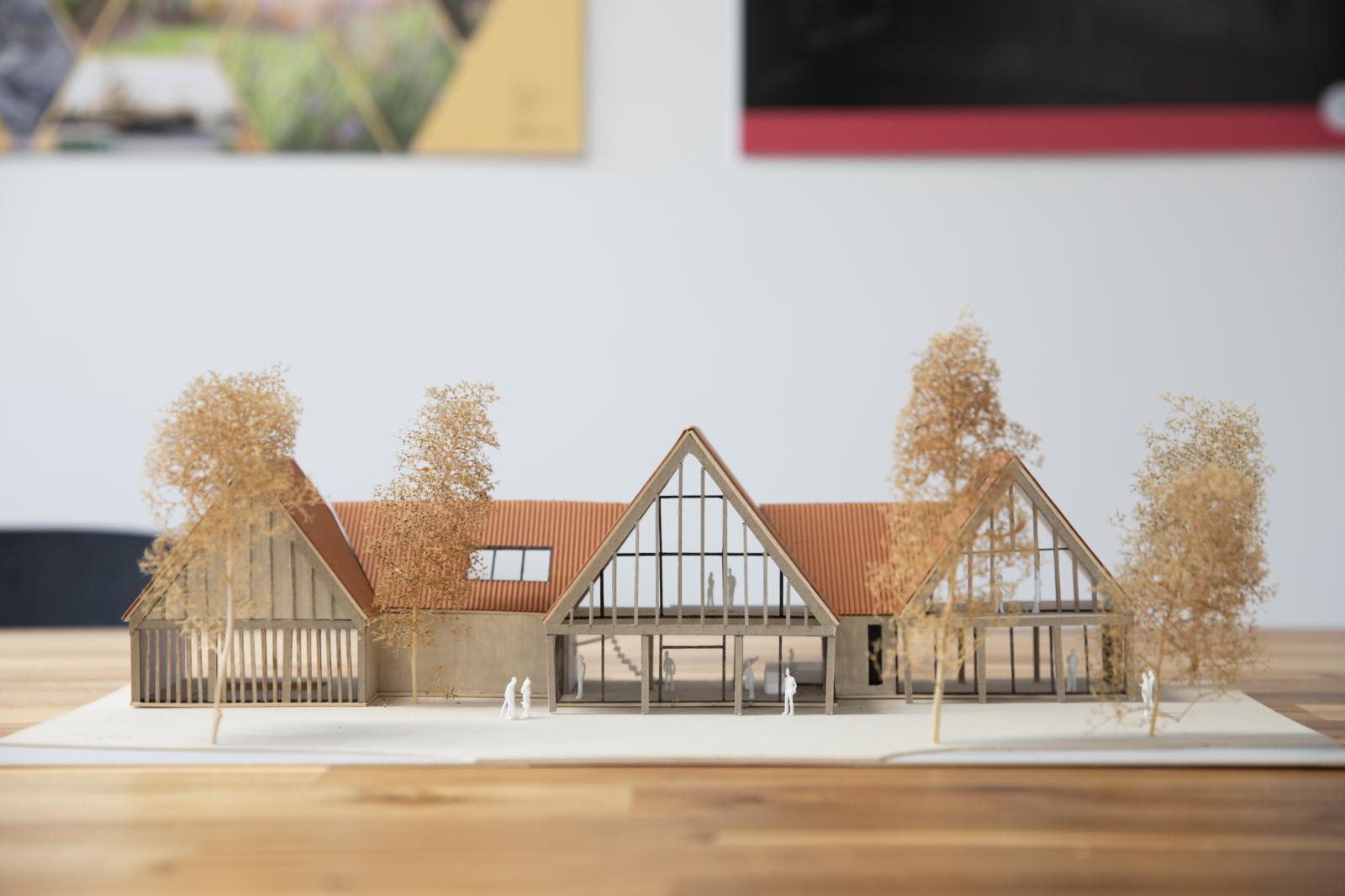
Physical models act as a spatial map, allowing us to test how a proposal sits within its site, how it engages with the surrounding streetscape, and how the landscape and topography influence the scheme. At an unresolved design stage, we use material that is pliable and easy to fix such as card, paper and grey board, alongside basic tools such as cutting mats, scalpels, scale rulers and glue.
Model making is also used to test façade proposals, where working at smaller scales—often around 1:20—reveals areas that require refinement or additional details. Many of these types of models are not seen by the client and are used for the practices' benefit.
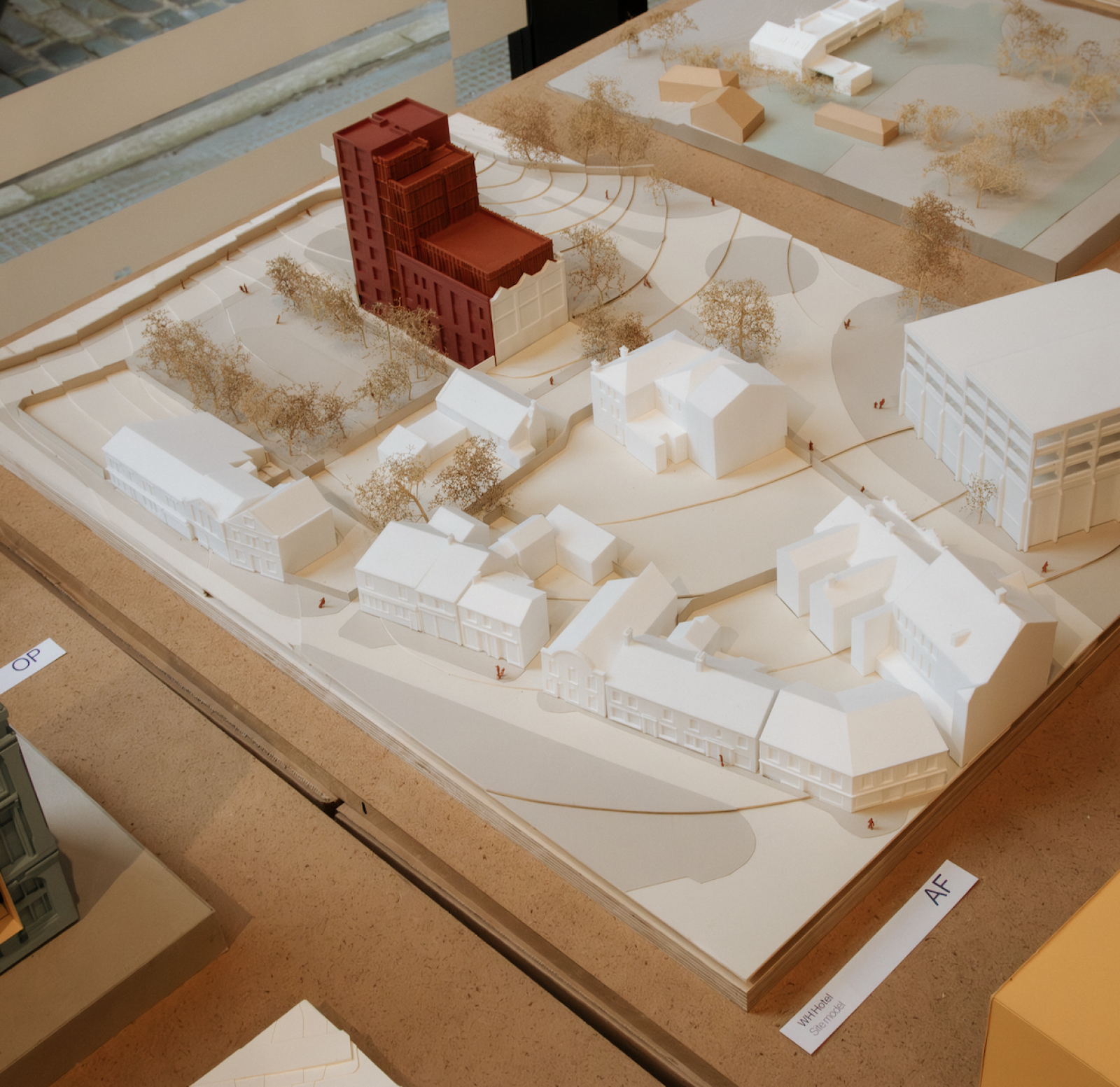
As design progresses, model making becomes a key method of communication with clients. Often this will involve using more complex tools such as a 3D printer when the design is resolved, rather than adaptable card at an earlier stage. This approach of model making allows the client to fully visualise the end scheme and allows us to communicate our ideas clearly with them. The outcome is a polished model that expresses the key features of the design and can often highlight the concept even at a resolved stage through the clever use of colour and material choices. Showcasing these models within the studio creates a library of precedents to refer to when approaching a new project.