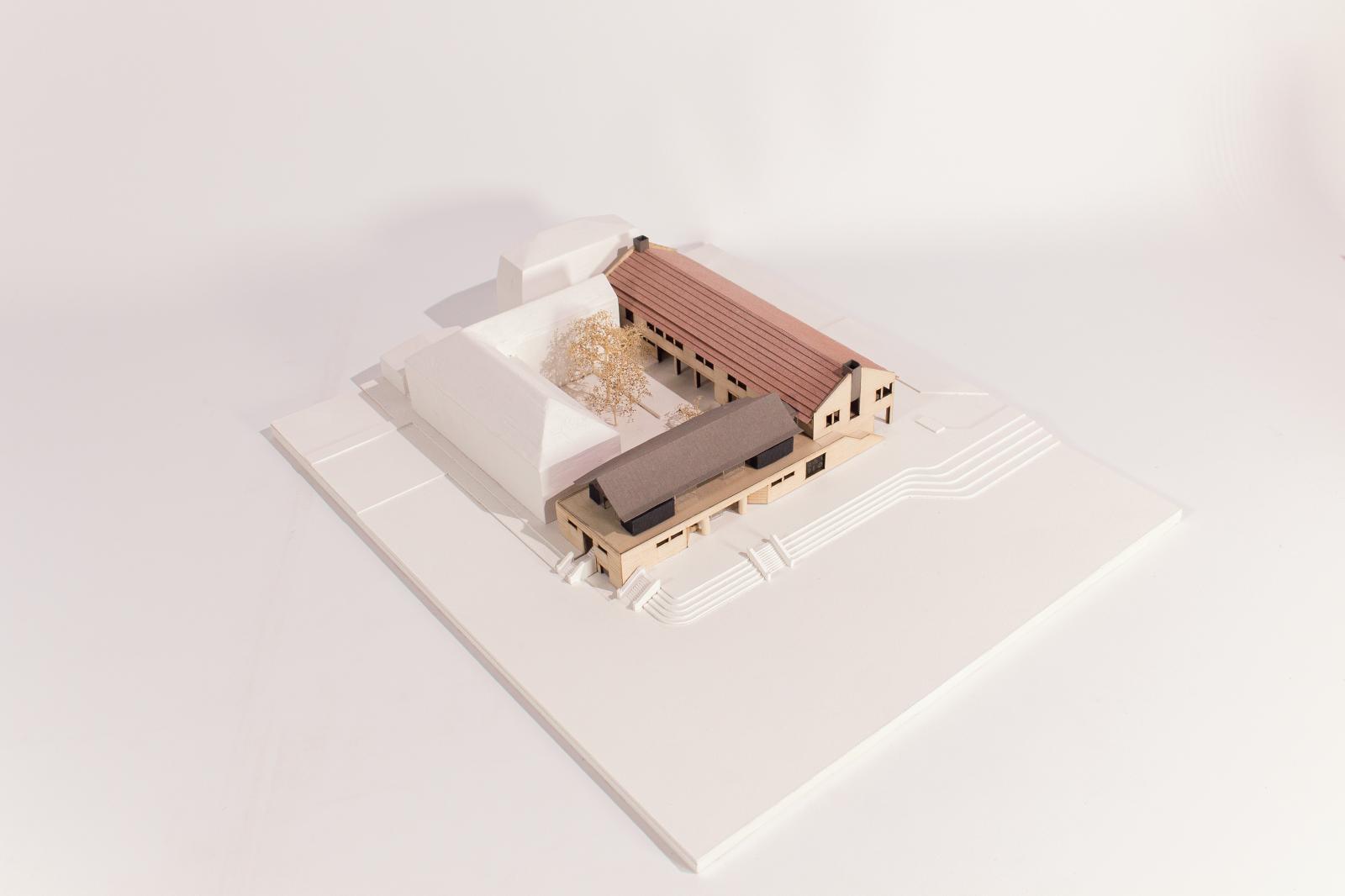
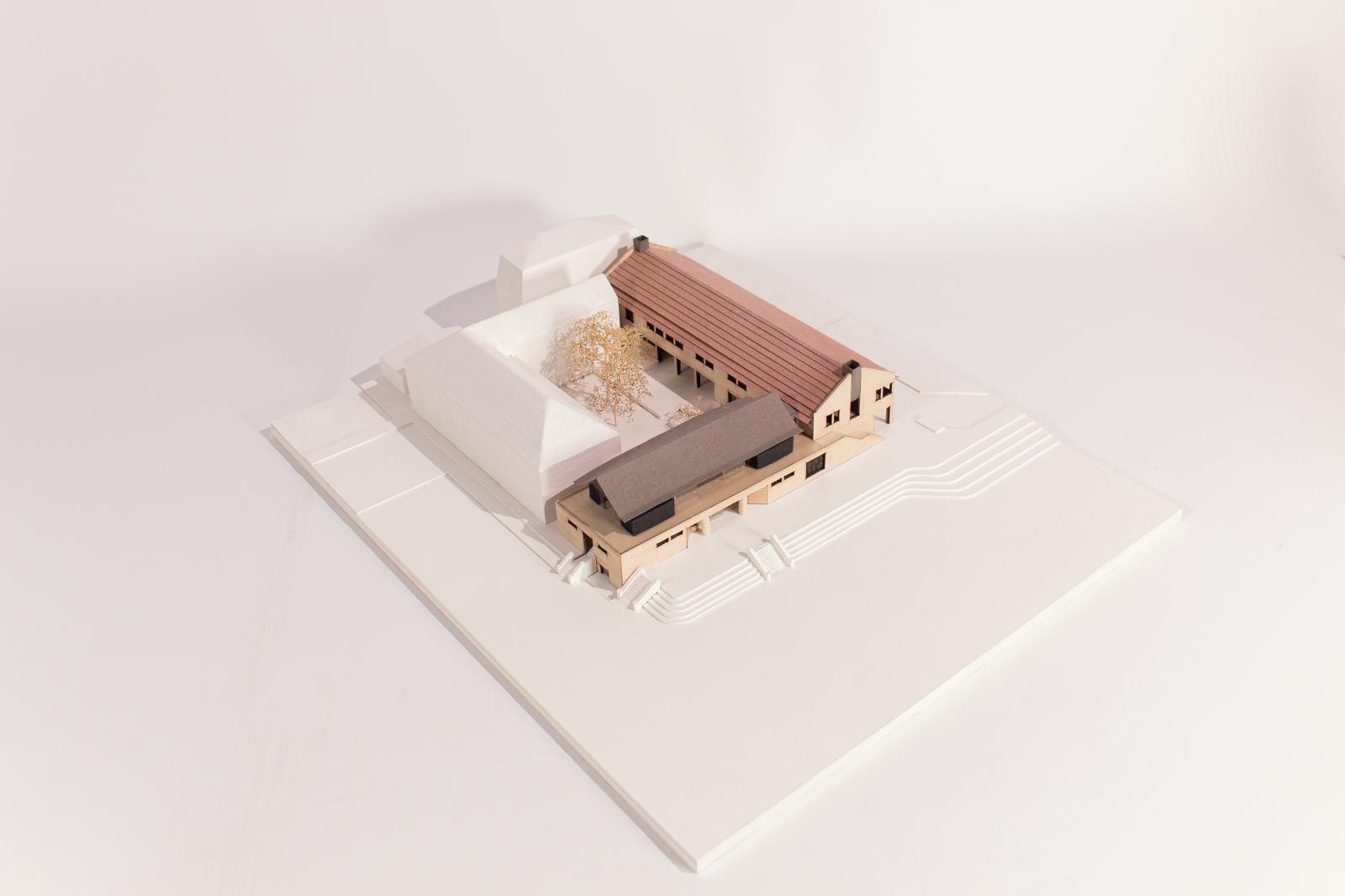
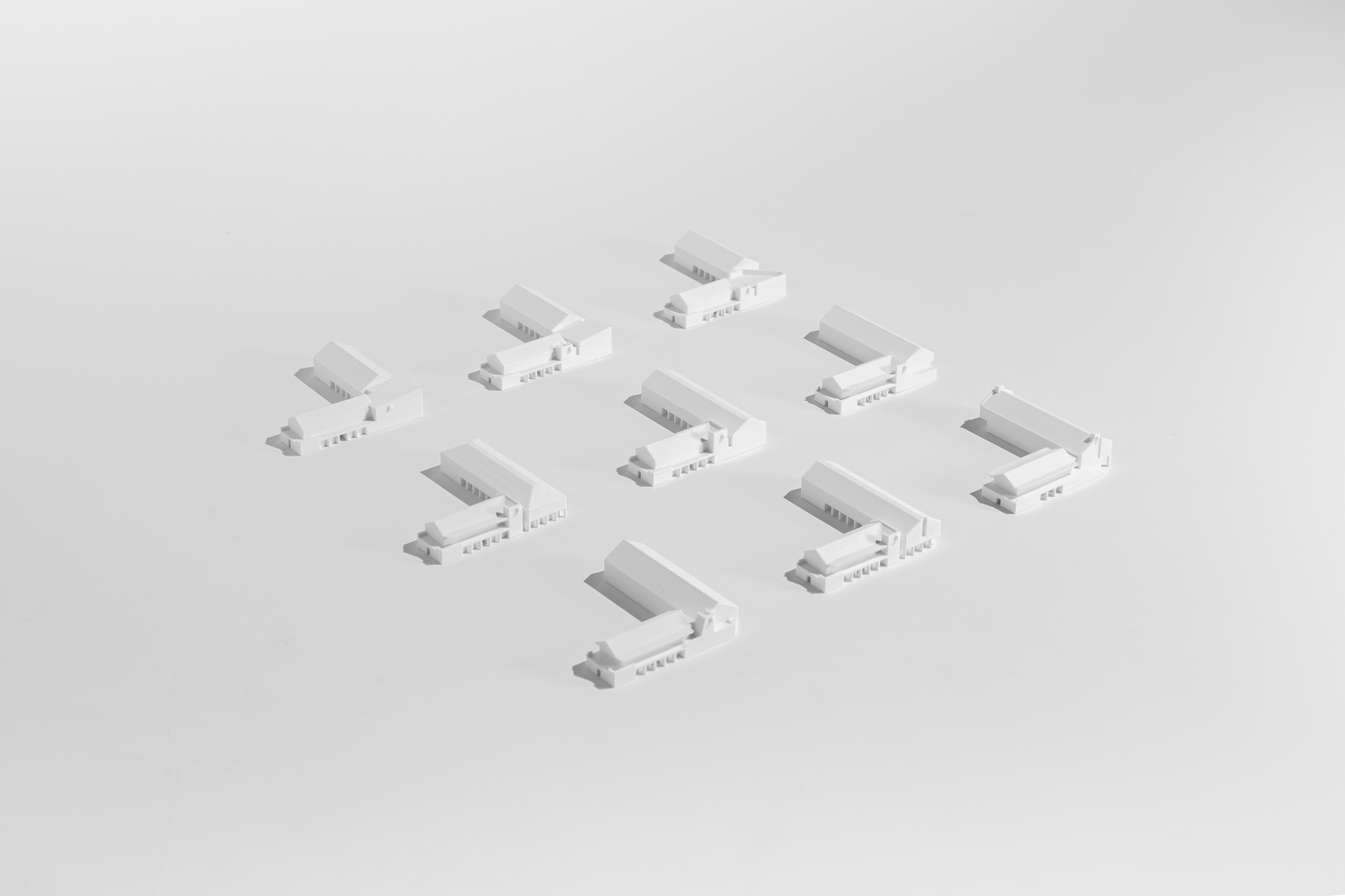
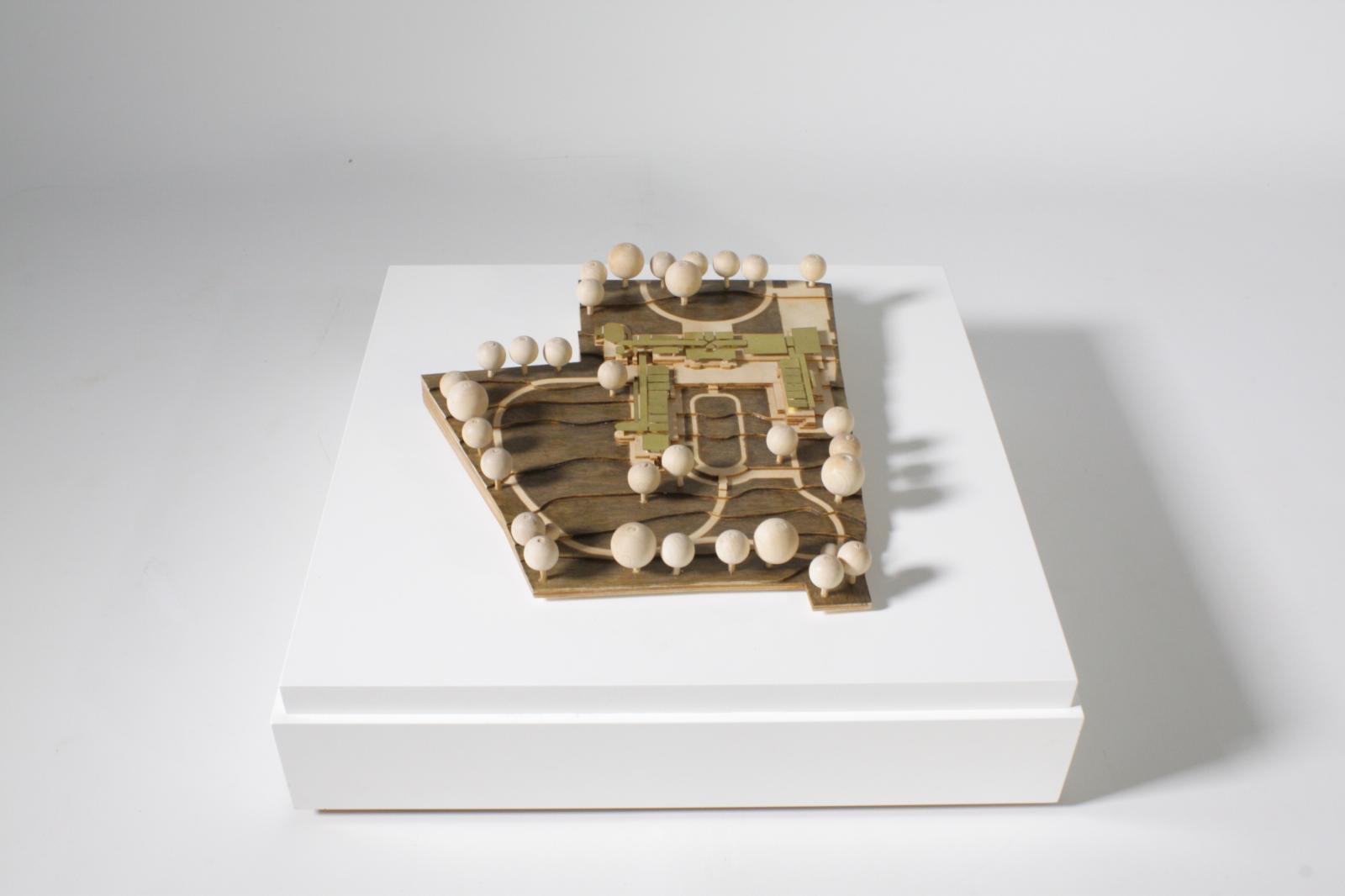
Model making is central to our design process, guiding how we create, test, and communicate our architectural thinking.
Our models provide an instant and intuitive grasp of scale, form, and proportion, helping to streamline our decision making and foster a deeper engagement with our proposals. They allow our designs to be experienced as something tangible, not only seen, but handled and understood spatially.
We create models at all stages of design development. In the early design stages, we make quick sketch models to rapidly test spatial and conceptual ideas. These exploratory and open ended working models prioritise thought and experimentation over precision. As projects develop, the models become more detailed, investigative and precise, examining scale, context, light, shadow and materiality.
In later design stages, we carefully create presentation models to clearly communicate established proposals to clients, consultants, and other stakeholders. These models embody the same commitment to craftsmanship evident in our built work, effectively bridging design and construction, grounding our ideas in physical reality.
Our experience shows that models remove barriers to understanding and communication. Often, they level the playing field, allowing a wide variety of stakeholders to engage simultaneously from various perspectives. This fosters open discussion and supports our desire for a collaborative design approach at all stages of design development.
Even in an era shaped by digital tools and AI, model making remains an indispensable part of our workflow. Physical models communicate emotion, scale, atmosphere, and texture in ways that virtual representations often cannot. Through touch, light, and shadow, they reveal insights that are frequently muted in purely digital environments.
For us, model making is integral to the creation of meaningful architecture. It enhances creativity, sharpens clarity, and ensures that our designs remain thoughtful, rigorous, and deeply human.